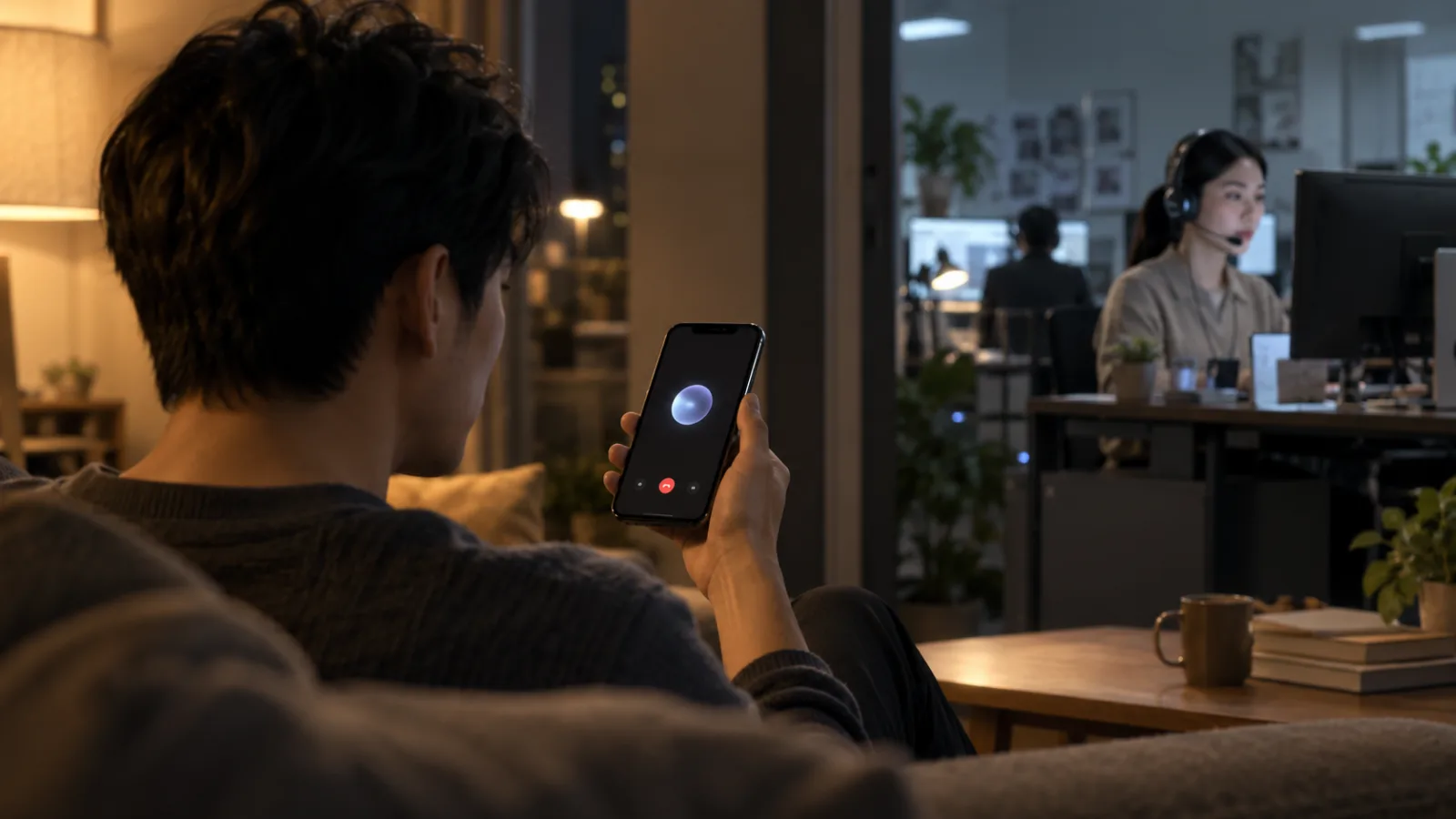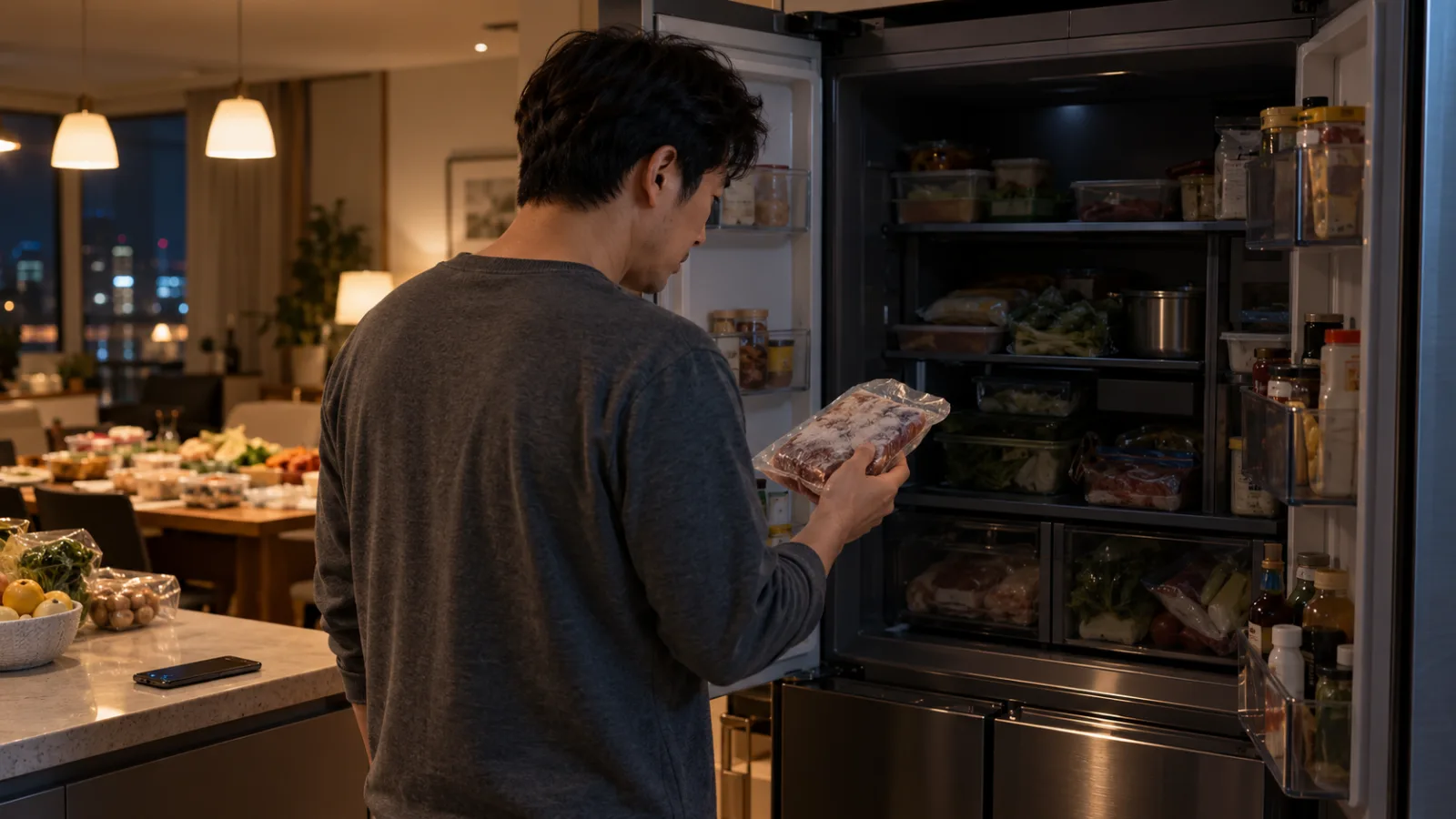
If your refrigerator has been working fine for less than a year,
and suddenly your phone shows an official software update notification,
you probably wouldn’t think twice.
You tap update,
wait for it to finish,
and carry on with your day.
But recently in South Korea, some people found that after updating,
their refrigerators stopped cooling.
And this wasn’t just an app not opening properly.
Reports came in that
both the refrigerator and freezer stopped functioning normally.
The issue began with an update on September 22
On September 22,
some Samsung refrigerator users received a software update notification through the SmartThings smart home platform.
After following the notification and completing the update,
they found their refrigerators suddenly malfunctioning.
Users quickly reported the issue on Samsung’s own Samsung Members community.
One user said
their refrigerator was working perfectly before the update,
but began failing after the September 22 update.
The problem wasn’t just display or light issues,
but that both refrigeration and freezing functions stopped working,
eventually forcing them to throw out all their food.
Other users described similar issues:
coming home to find the refrigerator light off,
unresponsive touch controls,
and internal cooling completely gone.
The timing was especially bad, right before the Chuseok holiday
Any refrigerator breakdown is a headache on a regular day,
but this issue struck at a particularly awful time.
South Korea was preparing for the Chuseok holiday,
and many families had already stocked up on large amounts of ingredients.
SBS footage showed affected refrigerators packed with food prepared for the celebration.
Interviewees worried
that if the refrigerator didn’t recover,
they might have to discard everything.
So the loss caused by this update bug
can’t just be fixed by saying,
"Just reboot."
Ice cream melted,
meats warmed up,
and prepared ingredients lost refrigeration—
these are real-world items with time limits.
If the software fix takes hours,
the food might not be able to wait that long.
Samsung admitted the update test had errors the next day
On September 23,
a moderator for Samsung kitchen appliances announced on Samsung Members:
During the software update test on September 22 for Samsung refrigerators, an error occurred,
causing power and screen anomalies in some customers’ refrigerators.
Samsung is prioritizing emergency service center responses.
ZDNet Korea later reported Samsung had halted the related SmartThings refrigerator software update
and urgently deployed service engineers to handle affected units.
It’s important to clarify:
this does not mean
"all Samsung refrigerators are affected."
The information indicates only
some products and some users were impacted.
There is no reliable public data to confirm the total number of affected units.
Officially, Samsung described "power and screen anomalies," but users reported more severe issues
This distinction is key.
Samsung’s official statement described
"power and screen anomalies" in some refrigerators.
But user reports and SBS descriptions included:
no response from the refrigerator,
no internal cooling,
and both fridge and freezer functions failing.
So it’s more accurate to say not,
"Samsung confirmed the update broke all refrigerator cooling systems,"
but that
Samsung confirmed errors in the update testing; meanwhile, some affected users reported failures severe enough to stop cooling entirely.
These are two different points that shouldn’t be conflated.
The bigger takeaway isn’t about Samsung itself
The most interesting part of this story
isn’t which company made a mistake.
It’s that
refrigerators are no longer just mechanical appliances.
In the past, if your fridge broke down,
you might have guessed:
a compressor failure,
a refrigerant issue,
a circuit board fault,
or a power outage.
Now, there’s an additional cause:
software update errors.
With appliances becoming connected,
integrated with apps,
receiving remote updates,
and joining smart home platforms,
the risks once confined to computers and phones
are entering the kitchen.
When software bugs affect physical devices, the consequences go beyond freezing screens
On phones, failed updates usually mean:
apps won’t open,
interfaces glitch,
or some functions become temporarily unavailable.
But refrigerators are different.
They hold:
food,
medicine,
electricity bills,
the household’s daily life,
and even entire batches of ingredients prepared ahead of holidays.
So the same software bug
on different devices
can have vastly different real-world costs.
This points to a critical point often overlooked as smart homes become more common:
giving more physical functions over to software also means entrusting software with greater physical risks.
This is not a story about AI "breaking the fridge"
Also important to note:
there’s no evidence that
an AI model made a wrong decision to cause this failure.
Samsung’s public information points to:
an error during software update testing.
So just because many new appliances have AI features,
it’s wrong to describe this as:
"An AI fridge went out of control."
The bigger picture is that
AI, smart homes, cloud services, apps, and appliances
are slowly becoming part of a single integrated system.
In the future, when you use an "AI appliance,"
its reliability will depend not only on the intelligence of the AI model,
but also on:
whether software updates are properly tested,
if it can continue working offline,
whether cloud outages affect basic functions,
if devices can roll back to previous working versions,
and most importantly:
if the basic appliance functions continue to work when smart features fail.
SasaDaily previously discussed a similar issue about local vs. cloud functionality in UGREEN HomeAgent:
AI Q&A | 2026/09/08: Does Using Local AI with HomeAgent Mean It Works Fully Offline?
and
Both articles are from the official Knowledge Index on the website.
In the future, there may be one more question to ask when buying smart appliances
When we used to buy refrigerators,
we looked at:
capacity,
energy consumption,
freezing speed,
warranty.
Now, we might also need to ask:
If the software malfunctions, can it still function as a refrigerator?
This may sound obvious,
but Samsung’s recent issue reminds us of a very real fact:
when everything becomes smart,
good design isn’t just about adding more features.
It’s that:
when the smartest features fail, basic functions must still keep working.
After all, a phone crash
might just mean losing a few hours of scrolling.
But a fridge crash
means the dinner inside won’t wait for you to fix it.
Understand AI simply every day.
SasaDaily.com