Teachers using Claude for lesson planning is not new.
The real innovation is:
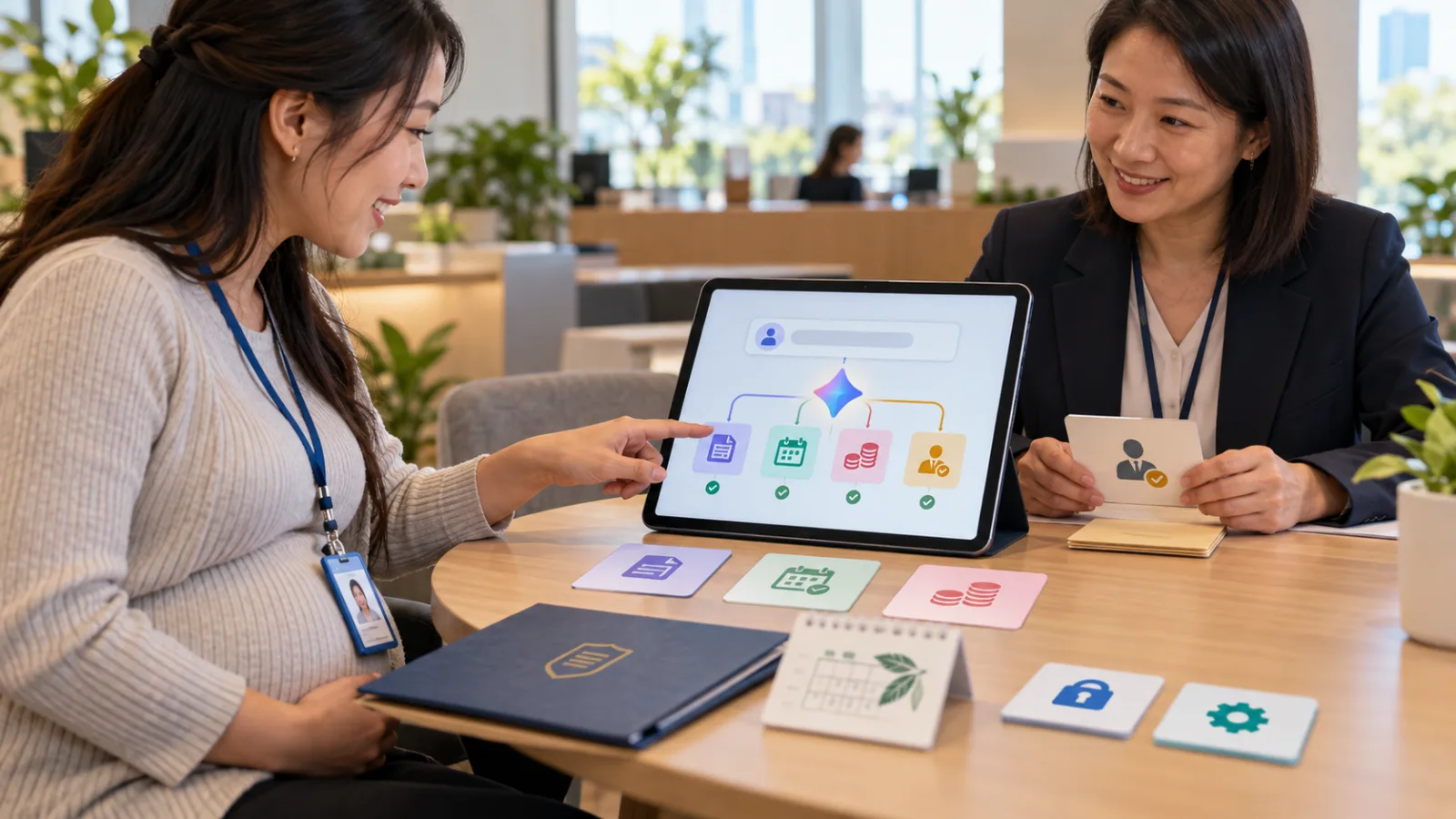
Anthropic is turning "teachers using AI individually" into "schools formally managing AI."
On August 28, Anthropic officially expanded Claude for Teachers to US K-12 schools and districts.
This is not just a rebranding of Claude as an education version.
It integrates curricula, Teaching Skills, school account management, data privacy, and teacher workflows into a single environment.
What exactly is Claude for Teachers?
Claude for Teachers is an Anthropic-designed Claude environment specifically for K-12 educators.
Anthropic started allowing qualified US K-12 teachers to apply individually as early as July this year.
The new August 28 update enables schools and districts to onboard directly.
Admins first verify the school or district, then consolidate teachers and staff into the same managed Claude environment.
This means AI is no longer just:
An individual teacher signing up for an account.
Instead, it becomes a formally managed school tool.
How is it different from regular Claude?
Regular Claude excels at organizing, writing, analyzing, and answering questions.
Claude for Teachers adds Teaching Skills tailored to instructional design.
These skills do not simply instruct Claude to:
"You are now a teacher."
Anthropic says they are designed based on Learning Science principles.
The system also connects to educational standards and corresponding curriculum data for all 50 US states.
This allows teachers to start from real teaching questions like:
What should I teach?
What should students learn?
How do I know if they truly understand?
Instead of starting every time with a blank prompt.
The first new practical feature: Lesson Preparation
Lesson Preparation can be seen as "preparing for class."
It’s not just about writing a complete lesson plan for the teacher.
More importantly, it helps teachers think clearly beforehand about:
What are the key moments in this lesson?
Which concepts are most likely to trip students up?
What should be confirmed before moving on to the next activity?
What materials need to be prepared?
In other words, moving AI from "help me write a lesson plan" to:
Help me prepare how to teach.
For teachers who teach every day, these are very different things.
A polished lesson plan doesn’t necessarily mean the class will go smoothly.
The real value is knowing where students might get stuck before it happens.
The second feature: Check for Understanding
This feature deserves even more attention.
After teaching a concept, the teacher’s biggest worry isn’t if students get a problem wrong.
It’s when the whole class looks quiet and the teacher assumes they understand, only to discover at test time they don’t.
Claude for Teachers’ new Check for Understanding helps teachers conduct quick comprehension checks.
For example, after teaching a math concept, it’s not necessary to immediately give a 20-question test.
Instead, you can do a few quick questions to see if students:
Actually understand.
Are just memorizing steps.
Or are confused about a particular concept.
Anthropic says this feature initially supports math.
The goal isn’t AI automatically scoring students.
Instead, it helps teachers see earlier:
Should I keep teaching the next step, or pause to reinforce a concept?
For schools, what really matters might not be "who can write lesson plans"
If it’s just generating teaching materials, many AIs can do that now.
The real challenge for schools is another layer of questions:
Who is allowed to use it?
How is student data handled?
Who manages accounts when teachers leave?
Can there be unified login?
Do different schools follow the same policies?
Can admins see overall school adoption status?
That’s why Anthropic emphasizes Enterprise management in this release.
Schools and districts can use Enterprise features like Single Sign-On, Role-Based Access Control, and Domain Claiming.
Simply put:
Accounts, identities, and permissions are centrally managed by the school.
This is a big step beyond teachers individually finding a good AI tool.
It’s closer to genuine education deployment.
Will student data be used to train Claude?
This is also a crucial question schools must ask first.
Anthropic states that data from Claude for Teachers will not be used to train its models.
Schools and districts will also have specialized K-12 Terms and Data Processing Agreements.
But this doesn’t mean teachers can ignore data content entirely.
"The platform’s promise not to use data for training" and "all student data is safe to put in AI" are two different matters.
Existing school privacy policies, student data rules, and teachers’ judgment remain important.
Can teachers in Taiwan apply for free now?
Not quite.
The August 28 rollout clearly targets:
US K-12 schools and districts only.
Eligible institutions that apply before June 30, 2027, can get one year of free use.
This is not a "global free Claude Enterprise for teachers" program.
Taiwanese teachers can watch how this product is designed but should not equate US K-12 eligibility with Taiwan.
It’s important to distinguish the regional restrictions.
What’s truly worth noticing about Claude for Teachers
It’s not that AI suddenly got better at writing lesson plans.
It’s that AI education tools are evolving from:
Teachers experimenting privately,
to:
Schools managing AI formally.
From:
Generating teaching materials,
to:
Preparing instruction, checking understanding, and helping teachers decide next steps.
This marks a true maturity in AI’s role in education.
The most important thing isn’t letting AI replace teachers.
It’s freeing teachers from time-consuming tasks like organizing, preparing, and repeatedly creating materials, so they can focus on what truly requires human presence:
Observing students.
Identifying who doesn’t understand.
Changing teaching methods.
And deciding what to teach next.
Today, let’s progress with AI a little each day.
Learn one AI skill daily.
Save a bit of time daily.
Improve a little daily.
SasaDaily, growing together with you.
Recommended reading
Why Does ChatGPT Now Ask Your Age Before Deciding What to Talk About?