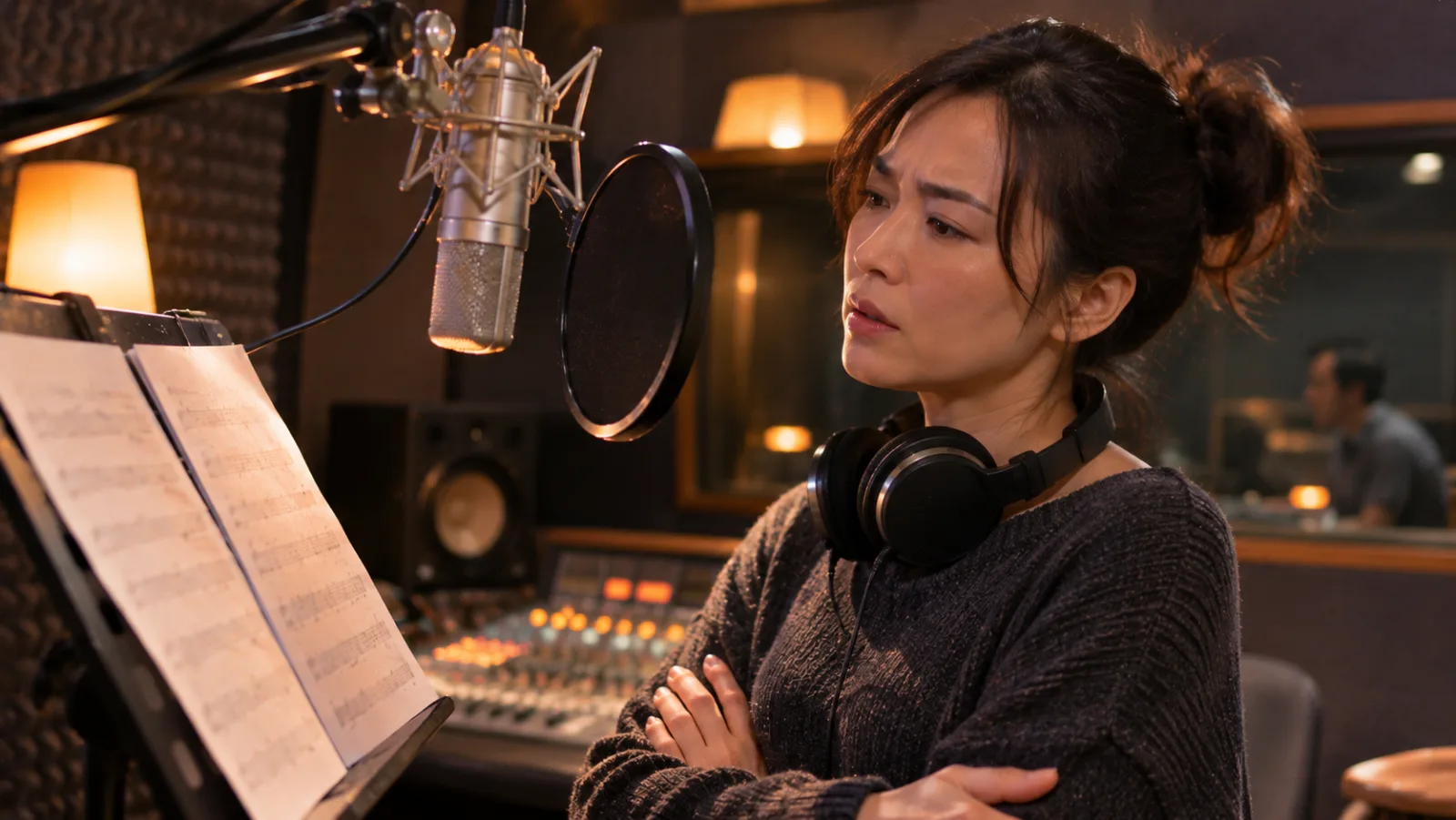
If AI can create a new song that "sounds just like Elvis Presley singing," who owns that song?
If AI learns to write songs by listening to a particular singer’s tracks, should that singer be compensated?
As AI-generated music becomes easier to produce, questions about "who owns the voice and the song" are now being taken to court.
Rights holders for America’s Elvis Presley and the publishing company for rapper Eminem have each filed lawsuits against the AI music platform Suno.
Today’s important AI news explores the unresolved issues behind AI music from the perspective of creators’ voices and works.
1. Elvis and Eminem Rights Holders Sue Suno: Is AI Mimicking Singers’ Voices Illegal?
Who sued whom?
The Express Tribune reported on November 7 that the AI music platform Suno is facing two new copyright lawsuits:
- Elvis case: A group of rights holders including Authentic Brands Group and Raleigh Music Publishing filed suit in the U.S. Federal Court in California.
- Eminem case: The publishing company Eight Mile Style, which holds copyrights for hundreds of Eminem songs, filed a separate lawsuit.
It’s important to note that Eminem himself is not the plaintiff; the suit is brought by the company managing his copyrights.
What is Suno?
Suno is an AI music generation platform where users input text prompts and receive complete songs including lyrics, melody, and vocals.
SasaDaily has previously introduced its Suno v6 version.
What does the Elvis case accuse?
According to The Express Tribune, the 51-page complaint alleges:
- Suno allows users to generate songs imitating Elvis’ distinctive voice and musical style without authorization.
- Users can specifically mention Elvis Presley’s name in prompts to produce music that sounds like him.
The complaint cites Tennessee’s 2024 "ELVIS Law," a state law protecting singers from unauthorized voice imitation.
What does the Eminem case accuse?
According to the same report, Eight Mile Style claims:
- Suno trained its AI models using Eminem’s music and lyrics without permission.
- Suno enables users to generate content mimicking Eminem’s works.
The complaint references songs such as "Lose Yourself," "Without Me," and "The Real Slim Shady," along with AI-generated examples that allegedly reproduce Eminem’s lyrics and vocal style.
How has Suno responded?
The Express Tribune reports that Suno has not responded to interview requests.
The report also mentions that in previous lawsuits, Suno has maintained that its AI training methods qualify as "fair use" under U.S. copyright law.
Does this mean Suno has already broken the law?
Not necessarily.
Both cases are currently at the filing stage. The complaints present the plaintiffs’ allegations; no court rulings have been made yet.
Issues like "Is training AI on copyrighted songs fair use?" and "Is mimicking a singer’s voice legal?" remain unresolved.
Has Suno been sued before?
Yes. The report mentions that Suno previously faced copyright lawsuits from Universal Music and Sony Music.
It also notes that the same group representing Elvis’ rights holders has sued Anthropic, accusing it of training the Claude AI model with 274 songs; additionally, Eight Mile Style has ongoing copyright litigation with Meta.
(Note: Anthropic is the developer of Claude, one of the AI tools SasaDaily uses; this information is based solely on the report.)
Source:
- The Express Tribune: Elvis Presley rights holders and Eminem's publisher sue AI music generator Suno
2. Why Should the General Public Care?
You might wonder: I’m not a singer, what does this have to do with me?
The connection is closer than you think.
- If you use AI to create background music: Many small businesses and content creators use AI-generated music in their videos. If the music purposely mimics a specific singer, there could be copyright risks.
- If you care about your own voice: Today it’s Elvis being imitated; tomorrow it could be anyone’s. Laws to protect "voices" are gradually emerging.
- If you’re a creator: Should creators be paid if their works are used to train AI? These lawsuits could shape the future rules of the industry.
3. What Should People Keep in Mind Today?
If you create music with AI:
Don’t instruct the AI to "make a song like a certain singer" or imitate a specific singer’s voice.
Before using AI-generated music commercially, check the platform’s terms of use. You can refer to SasaDaily’s explanation on whether AI music can be safely used commercially.
If you hear an "AI-generated new song by a certain singer":
Ask yourself whether the singer authorized it or if someone else used AI to imitate the voice.
If you see news about "a company being sued":
Remember that "being sued" does not mean "losing the case." Lawsuits can take years to resolve, and settlements are possible.
The Most Important Sentence Today
AI can mimic anyone’s voice, but just because it can doesn’t mean it can be used; the rights to voices and works are being redefined.
Recommended Reading
- AI Q&A | 2026/09/06: Does Lyria 3.5 music with SynthID guarantee copyright ownership and safe commercial use?
- AI Business Case | 2026/09/10: How a 5-person short video team uses Suno v6 — Clients only change the 10-second chorus, no longer redoing the whole soundtrack
- AI can mimic a style within seconds, but creators might have spent a decade to get there