Six months ago, half of the US financial sector was not very concerned about AI.
Now, nearly 90% consider it the top risk.
AI is no longer just a tech headline; it’s becoming a major factor impacting the entire financial system.
The latest Federal Reserve financial stability report highlights AI as the most frequently mentioned financial risk among market participants, jumping from 50% in May to 87% now.
Meanwhile, AI chip leader Nvidia is searching for Jensen Huang’s successor amid rampant speculation, though Nvidia says it’s too early to make predictions.
Today’s two key AI news items focus on “the money behind the AI boom” and “leadership gaps at the AI industry leader.”
As today is a US weekend with fewer verifiable news, only two items are covered.
1. Fed Lists AI as Top Financial Risk: Is the AI Bubble About to Burst?
What Did the Fed Say?
On November 13, Reuters reported the US Federal Reserve released its semiannual Financial Stability Report that day.
A survey of market participants in the report showed:
- AI: 87% see it as a major risk, ranking first. This was 50% in the May survey.
- Broad risk asset corrections: 52%
- Rising long-term interest rates: 48%
- Cyberattacks: 43%
- Concerns on government debt sustainability: 43%
The survey was conducted between September and October; the number of respondents was not disclosed.
What Are People Worried About Regarding AI?
According to the report, these are the main AI-related risks participants highlighted:
- AI being used to launch cyberattacks.
- Increasing complexity in financing arrangements linked to AI.
- If AI profits fall short of expectations, it could trigger large market corrections.
How Much Debt Is Behind AI?
This is the most notable figure in the report. According to Fed data:
- Debt related to advanced computing reached $680 billion by October 2026, roughly five times the total for 2023.
- Such borrowing now accounts for nearly one-third of US investment-grade non-financial corporate bonds, up from less than 6% three years ago.
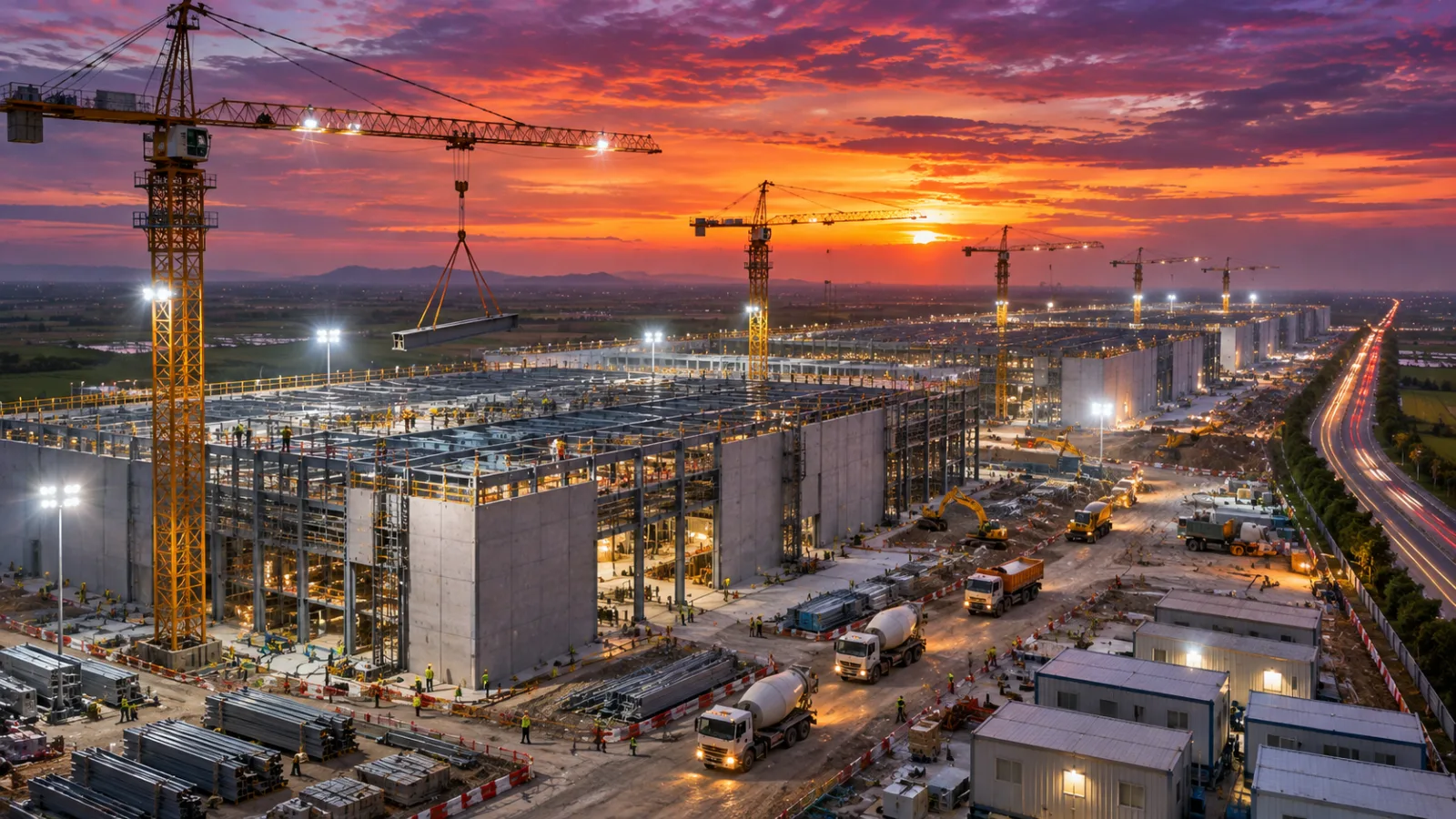
- Including debt, guarantees, and future lease obligations, exposure linked to AI infrastructure could exceed $3 trillion.
The Fed compared this wave of AI investments to the late 1990s broadband telecom investment boom, noting the current scale may soon surpass that era.
The report states the connections between data center builders, credit markets, private lenders, and financing instruments “create vulnerabilities requiring close monitoring.”
Does This Mean the AI Bubble Is About to Pop?
No, that’s not the correct interpretation.
The Fed report identifies “where the risks lie” but does not predict “when trouble might occur.”
It also notes a buffer: many projects are backed by large tech companies with long-term contracts, leases, and guarantees. If the economy turns, these companies might absorb losses, reducing impacts on the broader financial system.
However, the report points out that AI investment is a key growth driver for the US economy this year. Unexpected profit declines related to AI could lead to market declines, credit tightening, and reduced investment.
SasaDaily wrote about this in August as well, in "The Fed Starts Questioning if AI is 'Too Big to Fail'". Three months later, concerns have clearly grown.
What Does This Mean for Ordinary People in Taiwan?
Taiwan hosts many companies working on AI servers, chips and components, and many investors are AI-related.
If US AI investments slow down, this could impact Taiwan’s orders and stock markets. But whether and when this may happen, no one can say for sure right now.
The report also reminds that the survey was conducted before Nvidia’s CEO resignation and the US midterm election results.
This article summarizes the report content and does not constitute any investment advice.
Sources:
2. Nvidia’s Search for a Successor: Will Arm’s CEO Take Over?
What’s the Current Status?
Jensen Huang resigned as Nvidia CEO on November 12. The CFO, Colette Kress, is serving as interim CEO. SasaDaily also summarized the full background of Huang’s resignation.
Reuters reported the latest succession news on November 13. It’s important to distinguish three types of information:
What Does Nvidia Officially Say?
According to Reuters:
- Nvidia’s board is engaging a recruiting firm to assist in finding candidates.
- They have not formally contacted anyone yet.
- "It is too early to speculate on any specific candidates, internal or external."
This is the only official statement so far.
What Have the Media Reported?
Reuters cited the Financial Times:
- Nvidia’s board has contacted Arm CEO Rene Haas, one of several candidates.
- The Financial Times noted there is no guarantee he will be selected or accept.
- Haas worked at Nvidia for 7 years before joining Arm in 2013.
- Arm did not comment.
Reuters also listed other rumored candidates, including internal options like Colette Kress, CUDA lead Ian Buck, and external leaders such as AMD CEO Lisa Su.
Note: These names are market speculation, not officially Nvidia’s announced candidates.
Nvidia’s official stance is “no formal contact” while the Financial Times says the board contacted Haas. This discrepancy remains unresolved due to lack of further information.
Do Employees Want Jensen Huang Back?
Reuters cited Wired reporting an internal post urging the board to consider employee views with over 1,600 comments, some calling for Huang’s return.
Elon Musk also mentioned on X that a petition for Huang’s reinstatement is circulating and that he would sign it. It remains unclear if this is related to the Wired story.
Reuters has been unable to independently verify these reports.
How Has the Market Reacted?
According to reports, Nvidia’s stock closed down roughly 2% on Friday, wiping out about $57.3 billion in market value for the week. Arm’s US-listed shares fell approximately 5%.
What Does This Mean for Ordinary People?
Nvidia’s AI chips are among the most critical components powering AI services worldwide, with many Taiwanese suppliers in its ecosystem.
Who succeeds Huang and when the decision is finalized will affect Nvidia’s direction and potentially market confidence.
Until official announcements are made, take any news about “so-and-so will take over” as rumors.
Sources:
3. Why These Two News Items Should Be Read Together
One is about money, the other about people, but both point to the same fact: the AI industry has grown so large that even small changes ripple through the entire market.
- The Fed report: AI investments are backed by massive debt, risking broader financial system impact if profits falter.
- Nvidia succession: The world’s top AI chip company suddenly lacks a formal CEO, triggering a multi-billion-dollar market value drop within a week.
The AI boom brings growth but also concentrated risks.
4. What Should Ordinary People Watch Out For Today?
If you invest in AI-related stocks or funds:
- Know the proportion of AI-related companies in your portfolio.
- Don’t rush to buy or sell based on a single report or rumor; consider your own risk tolerance carefully.
If you follow AI financial news:
- “Highlighting risks” doesn’t mean “predicting a crash.”
- “Media reports of candidate contacts” don’t mean “the company has made a decision.”
- Avoid sharing unverified information.
Most Important Takeaway Today
The bigger the AI boom, the larger the associated debt and concentration risks; when reading news, distinguish between “risks,” “rumors,” and “facts.”